
1. The Case for Open Shelving: Airy, Accessible, and Personal
Open shelving has surged in popularity thanks to its ability to open up kitchen spaces. Without the visual bulk of cabinet doors, it makes smaller kitchens feel brighter and more expansive. It also offers instant access to your most-used items, eliminating the need to open and close doors during meal prep. Plus, it allows kitchenware to become part of the décor—let your dishes and glassware double as design elements, adding character and visual warmth to your layout.
2. The Downsides of Visible Storage
However, open shelving demands regular upkeep. Without doors, items are exposed to dust, grease, and other kitchen grime—especially products placed near cooking zones. This visibility also means clutter becomes immediately noticeable, so maintaining a neat and curated display is a must.
3. Benefits of Upper Cabinets: Clean, Concealed, and Comprehensive
Upper cabinets offer more than just hidden storage—they protect your items from dirt and offer a tidy appearance for kitchens that lean more functional than decorative. These cabinets also provide ample storage space, making them particularly useful for stowing away bulky or less attractive items. Moreover, they’re a timeless design choice that fits most aesthetic styles, from classic to modern.
4. The Trade-Off: Visual Bulk and Accessibility Challenges
But upper cabinets come with their own challenges. They can make kitchens feel cramped or darker and typically cost more than open shelving. Items stored at the back or on higher shelves can be difficult to reach without assistance.
5. A Hybrid Approach: Best of Both Worlds
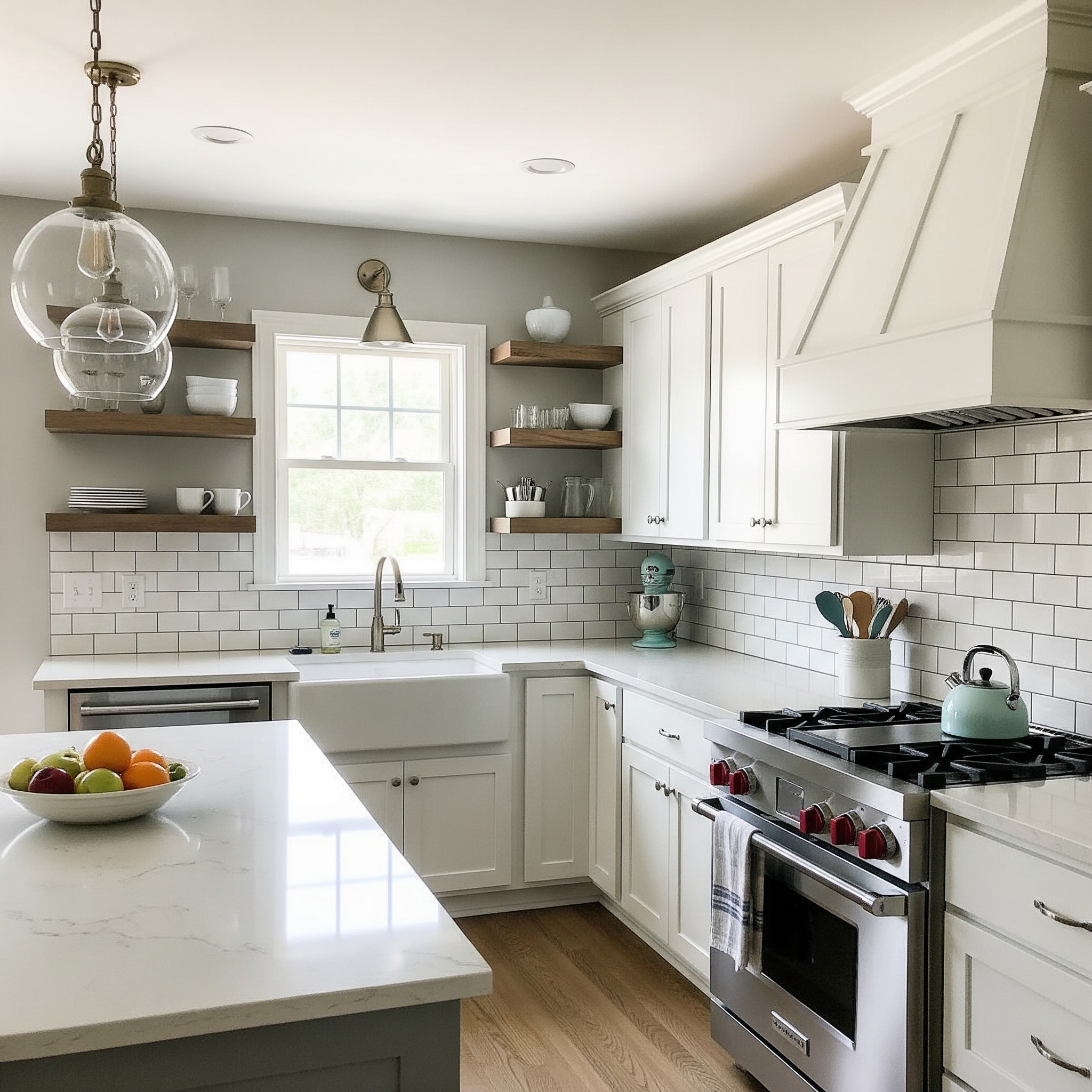
Many homeowners find success using both styles—open shelving for accessible, decorative display, and closed cabinetry for practical storage. For example, open shelves near prep areas or over the sink let you access everyday items quickly, while cabinets in corners or behind seating areas store essentials out of sight. Sometimes even a single floating shelf beneath cabinets strikes the perfect balance.
6. Choosing What Fits Your Space and Style
To decide between open shelves, upper cabinets, or a blend of both, consider your layout, storage needs, cleaning tolerance, and aesthetic preferences. Smaller kitchens benefit from open shelving’s lightness, while families or those who prefer tidy appearances may favor cabinets. For most, a personalized combination tailored to lifestyle and design works best.